A vacant commercial property can quickly become a costly liability.
Theft, vandalism, unauthorised occupation, fire, water damage, fly-tipping and general deterioration can all escalate when a building is empty. Problems that employees, tenants, or contractors would normally spot can go unnoticed, while a visibly vacant site can attract unwanted attention.
If you own or manage an empty office, warehouse, retail unit, industrial building or other commercial premises, simply locking the doors is rarely enough.
The right vacant property protection plan helps you safeguard the building, preserve its condition, maintain clear oversight and reduce avoidable disruption. At the same time, you prepare for a new tenant, sale, redevelopment or return to use.
In this guide, we explain the main risks, the warning signs to look for, what to check when a property becomes vacant and how to decide what level of protection is appropriate.
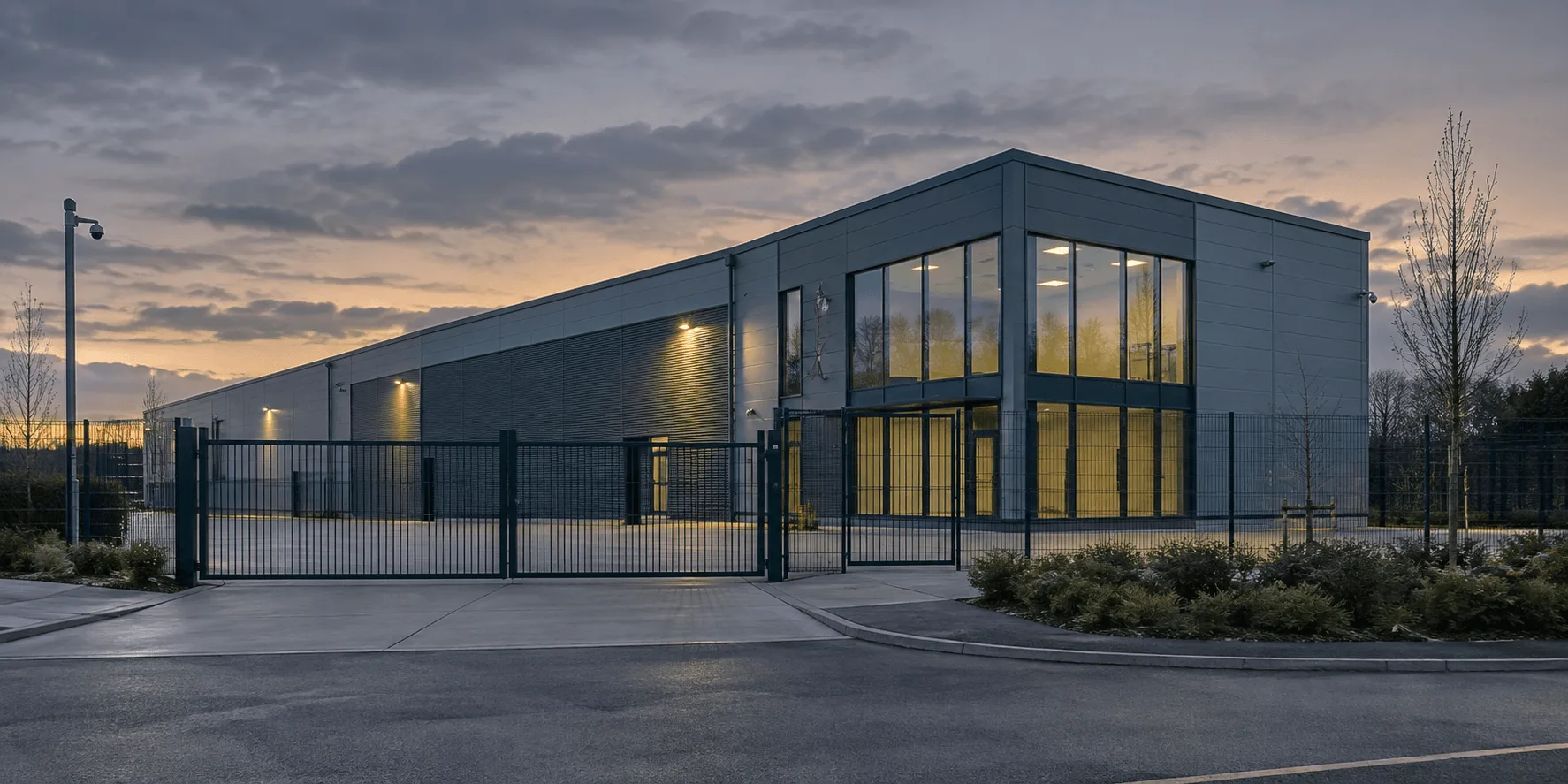
Why Vacant Commercial Properties Need Additional Protection
An occupied building benefits from something easy to underestimate: regular human presence.
Employees, tenants, cleaners, contractors and visitors naturally notice when something is wrong. A damaged window, leaking pipe, faulty alarm or attempted break-in is more likely to be discovered quickly.
Once a property becomes vacant, that informal layer of oversight disappears.
The longer an issue remains undetected, the greater the potential damage, disruption and cost.
For property owners, vacancy can create concerns around:
- Asset condition and value
- Insurance requirements
- Fire and safety risks
- Water damage and utilities
- Unauthorised access
- Maintenance and deterioration
- Fly-tipping and external areas
- Reletting or sale readiness
- Ongoing management costs
For facilities and estate managers, another challenge is maintaining reliable oversight of a building that may no longer have anyone routinely on site.
That is why a change in occupancy should trigger a review of how the property is secured, inspected, maintained and monitored.
Vacant Commercial Property Risks at a Glance
| Risk | What to look for | Action to consider |
|---|---|---|
| Theft and vandalism | Damaged locks, broken glazing, graffiti, disturbed fencing | Secure access points, remove unnecessary valuables and consider monitored security |
| Unauthorised occupation | Evidence of attempted entry, damaged doors, gates or boundaries | Strengthen physical security and monitor vulnerable access points |
| Fire and arson | Combustible waste, unauthorised access, damage affecting fire precautions | Review the fire risk assessment and precautions, remove unnecessary combustible materials |
| Water damage | Leaks, damp, standing water, damaged pipework | Review utilities, inspect regularly and address defects promptly |
| Fly-tipping | Waste around yards, car parks, entrances or boundaries | Improve perimeter control and monitoring, report incidents and arrange lawful removal |
| Building deterioration | Roof damage, blocked drainage, pests, vegetation, damp | Carry out documented inspections and planned maintenance |
| Insurance and compliance | Unclear requirements, missing records or unclear responsibility | Check policy conditions and applicable duties, then maintain clear records |
This table is a starting point, not a specification. The right measures depend on the property, location, condition, length of vacancy and your insurer’s requirements.
Is your vacant property properly protected?
Get a free property appraisal from our expert team.
The 7 Biggest Risks to a Vacant Commercial Property
1. Theft and Metal Theft
A vacant building can still contain valuable materials even after furniture, equipment and stock have been removed.
Copper pipework and cabling, heating equipment, air-conditioning components, radiators, roof materials and other fixtures may attract opportunistic or organised theft.
The financial impact is not necessarily limited to the stolen item. Removing pipework can lead to water damage. Interference with electrical systems can create further hazards. Damage to roofing or external materials can expose the building to the weather.
A relatively small theft can therefore lead to a much larger repair programme.
How to reduce the risk
Before or as soon as the property becomes vacant:
- Remove unnecessary valuable items where practical
- Check doors, windows, loading bays and other access points
- Review perimeter fencing, gates and vehicle access
- Consider monitored alarms or CCTV where appropriate
- Review utilities and building services as part of the vacancy plan
- Repair evidence of attempted access promptly
Visible signs that a property is actively managed can also help avoid the appearance of abandonment.
2. Vandalism and Criminal Damage
Broken glazing, graffiti and minor criminal damage can create a compounding problem.
Once a building visibly appears neglected, it may attract further unwanted attention. Damage can also create new access points, expose the interior to weather or make other security measures less effective.
Regular inspections help you identify new damage quickly and maintain a documented record of the property’s condition.
How to reduce the risk
- Inspect the property at an appropriate frequency
- Record findings and photographs
- Repair damaged access points quickly
- Keep external areas maintained
- Review lighting and monitoring where appropriate
- Escalate repeated incidents rather than treating them in isolation
3. Unauthorised Access and Occupation
Preventing unauthorised access is generally easier than resolving an occupation after entry has occurred.
Vacant commercial properties can be vulnerable through doors, windows, loading bays, roof access, gates, fences and vehicle entrances. Larger sites may also have less obvious access points away from the main frontage.
The legal position is important. GOV.UK states that simply being on another person’s non-residential property without permission is not usually a crime in itself. However, associated acts can be criminal, including causing damage, theft, unauthorised use of utilities and fly-tipping.
Your security review should therefore consider the whole site, not just the main entrance.
Access points to review
- External doors and windows
- Fire exits
- Loading bays
- Roof and service access
- Gates and perimeter fencing
- Car parks and yards
- Outbuildings
- Vehicle entrances
If you discover an occupation or evidence of criminal activity, take appropriate professional or legal advice rather than attempting to resolve a potentially unsafe situation yourself.
4. Fire and Arson
Fire can have severe consequences for a vacant building and neighbouring property.
Vacancy can change how a building is used, monitored, and accessed, so fire risk should be part of the vacancy plan rather than treated purely as a security issue.
Government guidance for England states that the Responsible Person for non-domestic premises must carry out and regularly review a fire risk assessment and maintain appropriate fire safety measures. Home Office guidance also states that where a vacant building is not a workplace and the person in control is not carrying on a trade, business or other undertaking, the owner is the Responsible Person.
Since changes introduced under Section 156 of the Building Safety Act 2022 came into force in October 2023, Responsible Persons within the scope of the Fire Safety Order must record the fire risk assessment in full, together with their fire safety arrangements.
Requirements differ across the UK, so you should check the rules that apply to your location and premises.
How to reduce the risk
- Review the fire risk assessment when circumstances change
- Remove unnecessary combustible waste and materials
- Keep appropriate fire precautions maintained
- Control unauthorised access
- Review detection, warning and emergency arrangements as applicable
- Record the assessment and actions taken
- Seek competent fire safety advice where required
5. Water Damage and Building Services Failures
Not every serious loss at a vacant property is caused by criminal activity.
A leaking pipe, damaged roof, blocked drain or building services fault can cause extensive damage when nobody is present to notice it.
Consider the difference between a leak in an occupied building, where someone may notice it quickly, and the same leak in an unchecked vacant property, where it could continue unnoticed.
Seasonal conditions can add further risk. Cold weather may affect pipework and heating arrangements, while heavy rainfall can expose drainage, guttering or roofing problems.
How to reduce the risk
- Review water, heating and other utility arrangements for the vacant period
- Follow insurer requirements relating to utilities
- Inspect for leaks, damp and water ingress
- Keep gutters and drainage routes maintained
- Address roofing and external envelope defects promptly
- Consider whether specialist isolation or drain-down is appropriate for the property
Do not isolate services automatically without checking the property’s fire safety, security, environmental, plant and insurance requirements. Some systems may need to remain operational.
6. Fly-Tipping and Antisocial Behaviour
Vacant sites with poorly controlled yards, car parks or perimeter areas can attract fly-tipping and antisocial behaviour.
For property owners, fly-tipping is not simply an appearance problem. Government guidance for England states that if waste is illegally dumped on private land, the land manager must arrange for it to be removed safely and pay for its removal and disposal. Local authorities or the Environment Agency may also take enforcement action if the waste is not removed.
That creates a clear commercial reason to protect vehicle entrances, yards and other areas where fly-tippers can deposit waste.
How to reduce the risk
- Keep gates and access controls secure
- Review vulnerable vehicle entrances
- Consider lighting and CCTV where proportionate
- Keep the site visibly maintained
- Record and report fly-tipping appropriately
- Use authorised waste carriers for removal where required
- Avoid handling unknown or potentially hazardous waste without suitable precautions
Guidance differs between UK nations, so follow the relevant environmental authority’s requirements for the property location.
7. Deterioration and Escalating Maintenance Costs
One of the least dramatic risks can also be one of the most expensive over time.
Buildings continue to deteriorate when they are empty. Roof defects develop, gutters block, vegetation grows, pests gain access, drainage issues emerge, and external damage worsens.
Occupancy does not prevent these problems, but regular presence often means they are noticed sooner.
Without planned inspections and maintenance, a minor defect can develop into a larger repair. That can affect asset condition and increase the work required before reletting, sale or reoccupation.
How to reduce the risk
- Establish a planned inspection programme
- Keep external areas and vegetation under control
- Check drainage and visible roof condition
- Look for pest activity and entry points
- Record defects and assign actions
- Track repairs through to completion
"The strongest vacant property plans are not built around one security product. They combine regular inspections, proportionate security, clear reporting and prompt action, so small issues are less likely to become expensive ones."
What Should You Do When a Commercial Property Becomes Vacant?
Vacant property protection should ideally begin before the last occupier leaves.
A structured handover lets you record the building’s condition, understand the risks, and decide how to manage the property during the void period.
A practical starting checklist is:
- Complete and document a property inspection
- Notify or speak to your insurer or broker and review policy conditions
- Identify vulnerable access points and perimeter weaknesses
- Remove unnecessary valuables, stock and waste
- Review water, heating, electrical and other utility arrangements
- Review fire safety responsibilities and the fire risk assessment
- Establish an appropriate inspection schedule
- Decide what physical security, alarms or monitoring are required
- Put escalation and emergency response arrangements in place
- Assign clear responsibility for reports, repairs and follow-up actions
The key is accountability. Someone should know what is being checked, how often it is checked, what gets recorded and who acts when a problem is found.
How Often Should a Vacant Commercial Property Be Inspected?
No single inspection interval suits every vacant commercial property.
The right frequency depends on the building, location, condition, risk profile, previous incidents and the requirements of your insurance policy.
Check your policy wording and speak to your insurer or broker when a property becomes vacant. Then establish a documented inspection programme that reflects the building’s risks and any applicable conditions.
An effective inspection should also be meaningful. It should provide useful evidence of the property’s condition, not just confirm that the building is still standing.
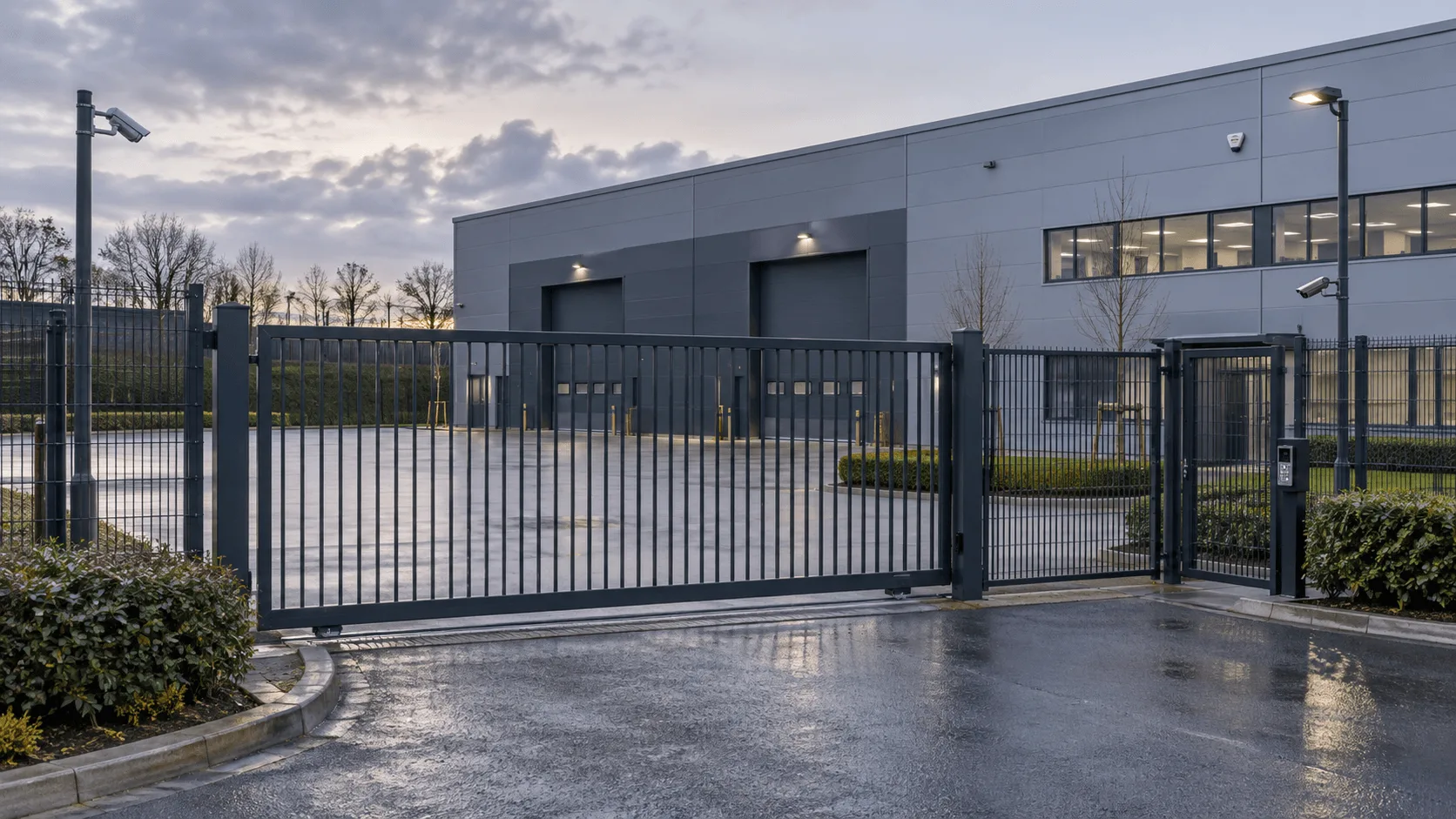
Vacant Property Inspection Checklist
| Area | Typical checks |
|---|---|
| Perimeter | Gates, fencing, vehicle access, fly-tipping and signs of trespass |
| External building | Doors, windows, visible roof condition, gutters, graffiti and damage |
| Internal areas | Water ingress, leaks, damp, damage, pest activity and signs of entry |
| Security | Alarm status, CCTV, locks and access controls |
| Fire safety | Changes affecting the fire risk assessment or fire precautions |
| Building services | Utilities, heating arrangements, plant and obvious faults |
| Housekeeping | Waste, unnecessary combustible materials and general condition |
| Records | Inspection date, photographs, defects identified, actions and completion status |
Tailor the scope to the property and ensure competent people carry it out safely.
Check Your Insurance Position Early
Insurance requirements can change when a commercial property becomes unoccupied.
The exact definition of “unoccupied”, notification requirements, inspection frequency, security conditions, heating or water requirements and exclusions vary between policies.
Do not rely on a generic rule such as “every vacant property must be inspected every seven days” or assume that the cover you had while occupied continues unchanged.
Instead:
- Check the policy wording
- Notify the insurer or broker where required
- Confirm any vacancy conditions in writing
- Build those conditions into your inspection and maintenance plan
- Keep clear evidence that required actions have been completed
This is one area where a documented property management regime can be particularly valuable.
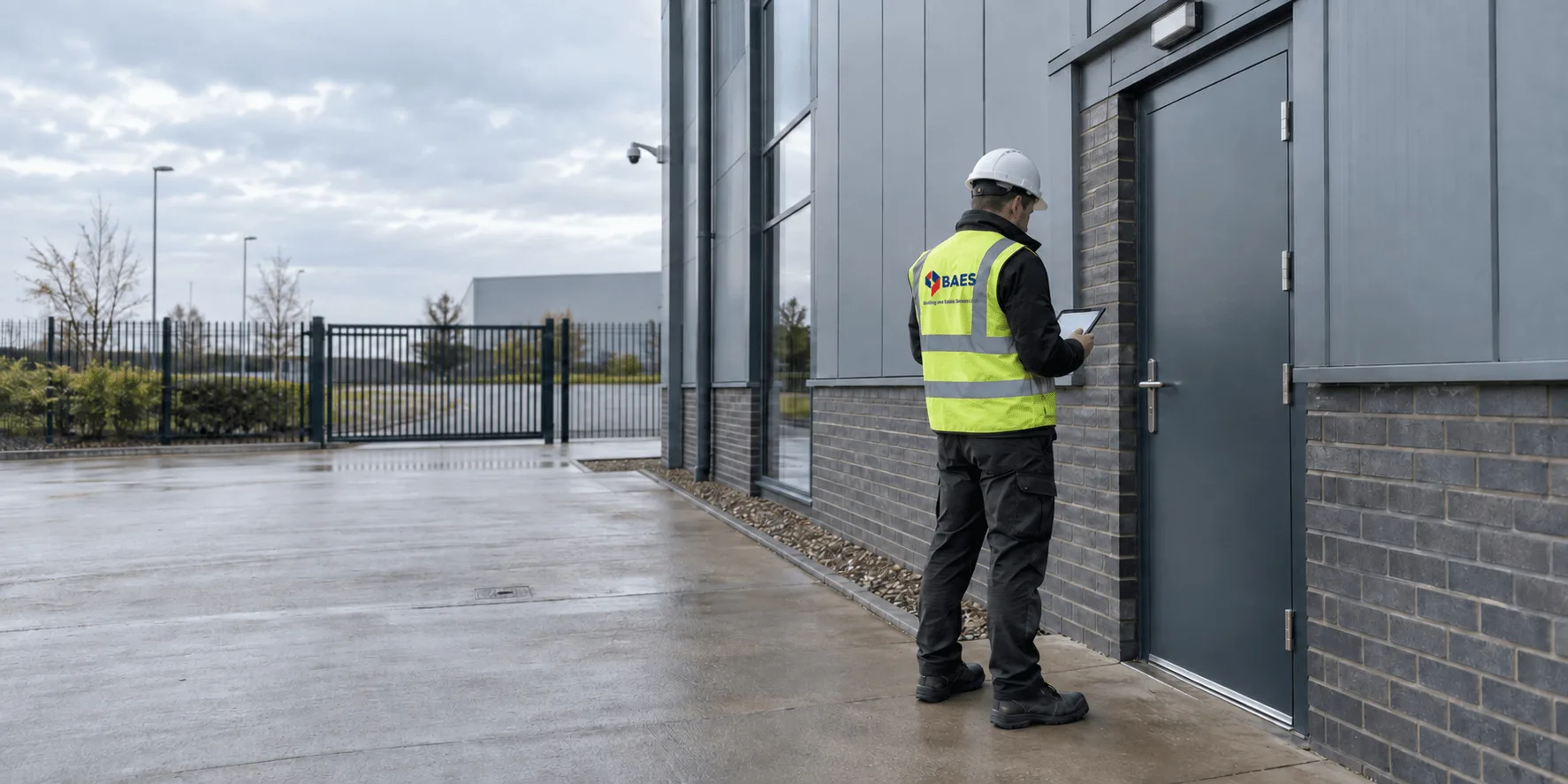
Security Options for Vacant Commercial Property
The right security solution should reflect the actual risk.
A short void in a well-overlooked unit is different from an isolated warehouse expected to remain empty for months. The objective is not to specify every available security measure. It is to put proportionate layers of protection around the risks that matter.
Depending on the site, this can include:
Physical Security
Locks, doors, shutters, screens, gates, barriers and perimeter measures can make unauthorised access more difficult.
Monitored CCTV
Appropriately positioned CCTV can provide visibility of vulnerable areas and support a monitored response where this forms part of the agreed solution.
Alarm Systems
Intruder and other monitored alarm systems can provide early warning of defined events, subject to the system design and monitoring arrangements.
Regular Inspections
Technology cannot identify every building defect. Physical inspections can reveal leaks, deterioration, fly-tipping, pest activity and other issues that may not trigger an alarm.
Maintenance and Rapid Repairs
Security weakens when a broken gate, damaged window, or failed lock remains unresolved. Clear escalation and repair arrangements help maintain the protection already in place.
The strongest approach is usually layered: physical measures make access harder, visible security can deter activity, monitoring can identify events and inspections can reveal problems technology alone may miss.
Who Is Responsible for a Vacant Commercial Property?
Responsibility depends on the ownership, lease, management arrangements, location and the specific legal duty involved.
Operationally, the important point is to avoid gaps.
If an owner assumes a managing agent is inspecting the property, the managing agent assumes a contractor is doing it. The contractor’s scope does not actually include inspections; the building can be left without effective oversight.
A vacant property plan should make the following clear:
- Who inspects the property?
- Who receives and reviews inspection reports?
- Who responds to security alerts?
- Who authorises urgent repairs?
- Who reviews fire safety arrangements?
- Who liaises with the insurer or broker?
- Who confirms that required actions have been completed?
Clear ownership of each action reduces ambiguity and makes issues easier to resolve.
Is Your Current Vacant Property Protection Enough?
Ask yourself these questions:
- When was the property last physically inspected?
- Could you demonstrate its condition at that inspection?
- Would you know promptly if a vulnerable access point was breached?
- Have you checked the insurance requirements that apply during vacancy?
- Have fire safety arrangements been reviewed for the building’s current circumstances?
- Are utilities and building services being managed appropriately?
- If a problem is discovered, is it clear who is responsible for resolving it?
If any answer is unclear, it’s worth reviewing the current arrangements.
Get a clear view of your vacant property risk.
Get a free property appraisal from our expert team.
Why Use a Single Vacant Property Partner?
Managing an empty commercial building can quickly involve several services: security, inspections, maintenance, cleaning, access management, emergency response and repairs.
Using multiple providers can leave you coordinating contractors and chasing updates at exactly the point when you want the property to require less management time.
We can provide a coordinated approach to vacant property protection, with a single point of contact, clear reporting and support when an issue needs action.
For you, that means fewer moving parts, better visibility and a clearer understanding of what is happening at your property.
How We Help You Protect Vacant Commercial Property
We tailor the approach to the building rather than forcing every property into the same package.
Depending on your requirements, we can help coordinate:
- Vacant property inspections
- Security and monitored protection
- Access and perimeter security
- Maintenance and remedial works
- Building condition reporting
- Support with property risk management
- 24/7 response arrangements where applicable
With nationwide coverage, transparent tailored solutions and clear reporting, you have one team helping you maintain control throughout the vacant period.
Frequently Asked Questions
What are the biggest risks to a vacant commercial property?
Common risks include theft, vandalism, unauthorised access or occupation, fire, water damage, fly-tipping and deterioration that goes unnoticed. The significance of each risk depends on the building, location, condition and length of vacancy.
How often should a vacant commercial property be inspected?
There is no universal interval suitable for every property. Inspection frequency should reflect the property's risk profile and any requirements in your insurance policy. Check your policy wording and speak to your insurer or broker rather than relying on a generic inspection frequency.
Does commercial property insurance change when a building becomes vacant?
It can. Definitions, notification requirements, exclusions and conditions vary between policies. Review your own policy and speak to your insurer or broker as soon as you know the property will be vacant.
Should utilities be turned off in a vacant commercial building?
Not automatically. The appropriate approach depends on the building, season, insurance conditions and systems that need to remain operational, including security or fire safety equipment. Review the requirements before isolating services and use competent contractors where necessary.
Is squatting in a commercial property illegal?
GOV.UK states that simply being on another person's non-residential property without permission is not usually a crime in itself. However, associated acts such as criminal damage, theft, unauthorised use of utilities and fly-tipping can be criminal. Seek appropriate legal advice if an occupation occurs.
Who pays to remove fly-tipping from private commercial land?
For land in England, GOV.UK guidance states that where waste is illegally dumped on private land, the land manager must arrange for its safe removal and pay for removal and disposal. Requirements and reporting routes differ across the UK, so follow the guidance for the nation where the property is located.
Who is responsible for fire safety in a vacant commercial building?
This depends on the premises and circumstances. Home Office guidance for England states that if a vacant building is not a workplace and the person in control is not carrying on a trade, business or other undertaking, the owner is the Responsible Person. Fire safety legislation differs across the UK, so confirm the requirements applicable to your property.
What does vacant property protection cost?
There is no useful one-price-fits-all figure. Cost depends on factors such as property size, location, access points, existing security, condition, length of vacancy, inspection frequency and the monitoring required. A property appraisal helps identify what is proportionate before a solution is specified.
Protect Your Commercial Property Before a Small Problem Becomes a Large One
A vacant property does not have to become a management headache.
With proportionate security, meaningful inspections, proactive maintenance, clear reporting and defined accountability, you can reduce avoidable risk while keeping the building protected and ready for its next use.
We support commercial property owners, facilities managers and estate managers across the UK with tailored vacant property protection and 24/7 support.
Don't let a small problem become a large one.
Get a free property appraisal from our expert team.
Speak to our team about your property requirements, or explore our vacant property services.
This article provides general information and does not constitute legal, insurance or fire safety advice. Requirements can vary according to the property, location and circumstances. Check your policy wording and seek appropriate professional advice where required.